The Niépce Heliograph
at Harry Ransom Center
The world's earliest surviving photograph, captured over days of exposure.

The Experience
The Dawn of Photography
Joseph Nicéphore Niépce's "View from the Window at Le Gras" is not just a photograph; it's a testament to obsessive scientific curiosity and a pivotal moment in human history. Created around 1826-1827, this image, etched onto a pewter plate, is the earliest surviving photograph made using a camera obscura. Niépce, a landowner with a passion for scientific experimentation, was initially driven by a desire to easily copy engravings. His journey into light-sensitive materials began as early as 1816, but it was his persistent tinkering with bitumen of Judea that eventually led to this groundbreaking achievement.
An Obsessive Exposure
The creation of this photograph was an exercise in extreme patience. Niépce positioned his camera obscura in his workroom window and exposed the plate for several days. This lengthy exposure, likely totaling over 48 hours of sunlight spread across multiple days, was necessary due to the slow-acting nature of the bitumen. Consequently, any movement—people, animals, even clouds—vanished, leaving behind a ghostly, static view of the estate's rooftops, outbuildings, and courtyard. This unique characteristic, born from the limitations of the technology and Niépce's relentless pursuit, resulted in a scene devoid of life, a frozen moment captured by sheer perseverance.
A Lost and Found Relic
Niépce's process, which he termed "heliography" (sun writing), was presented to the Royal Society in England in 1827. After his death, the photograph passed through private hands, largely forgotten until photohistorian Helmut Gernsheim rediscovered it in 1952. Gernsheim's detective work, tracing provenance through family records, brought this lost relic back to light. It is now a cornerstone of the Harry Ransom Center's photography collection, a tangible link to the very beginnings of photographic art and science, a true passion project that birthed an industry.
How to Find It
The heliograph is displayed in a dedicated, darkened room with controlled lighting. Visitors may need to wait for a small group to view it.
Know Before You Go
Viewing the heliograph requires specific lighting conditions; be patient as you may need to wait for a small group. The experience is dimly lit and focuses on historical reverence, offering a unique glimpse into the very dawn of photography.

Nearby Places
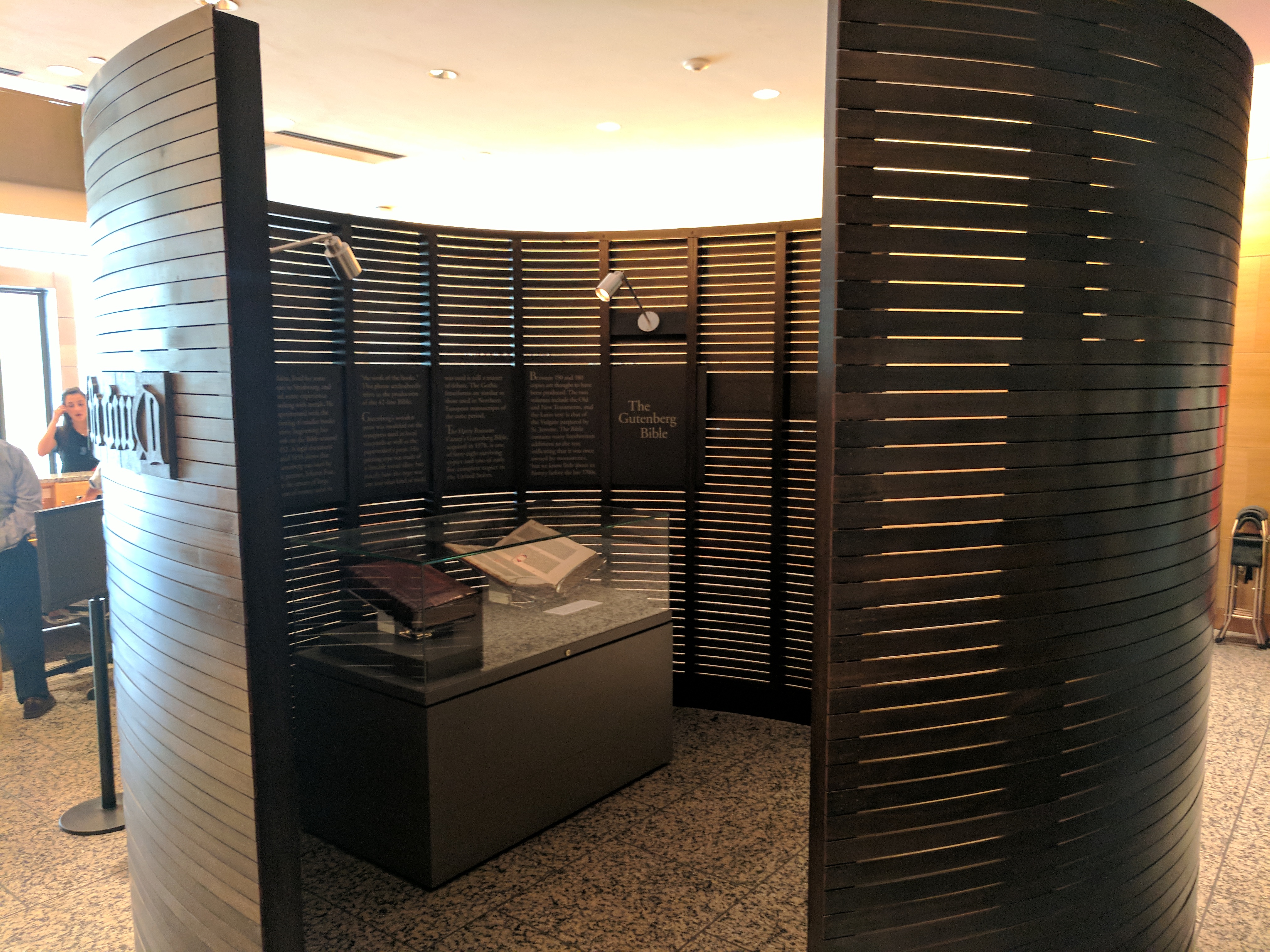
Gutenberg Bible
< 0.1 miles
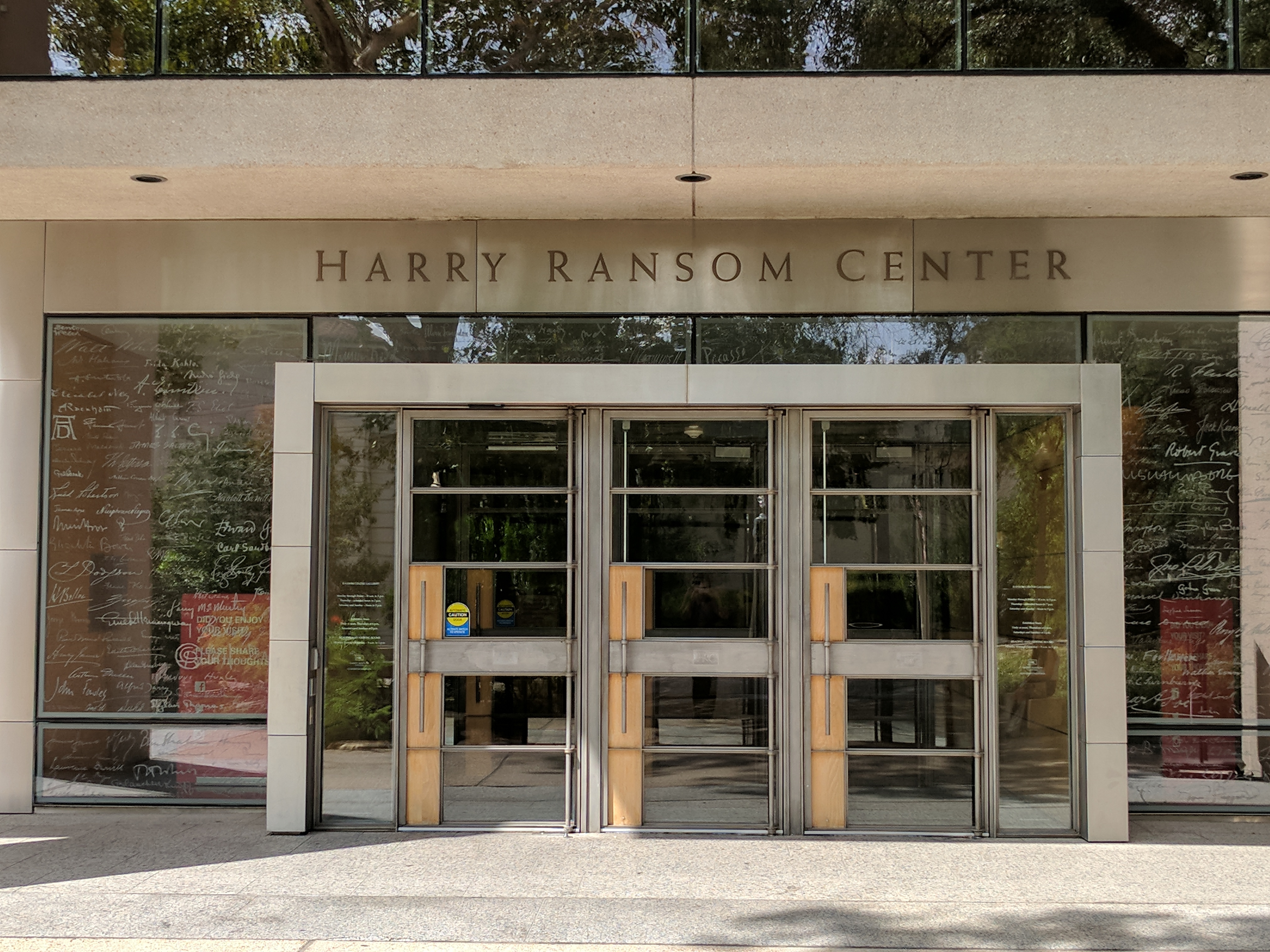
Harry Ransom Center
< 0.1 miles
The Color Inside Skyspace
0.3 miles
 Be the first to share a photo!Help other explorers
Ellsworth Kelly's Austin
0.3 miles
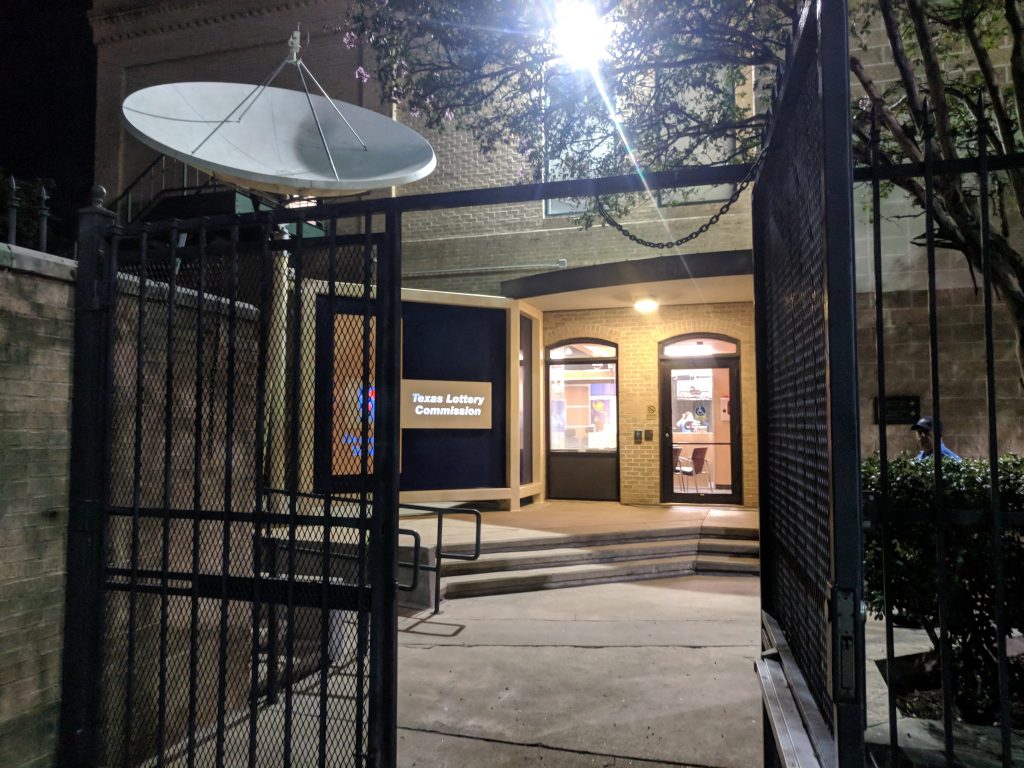
Texas Lottery Drawings Studio
0.4 miles
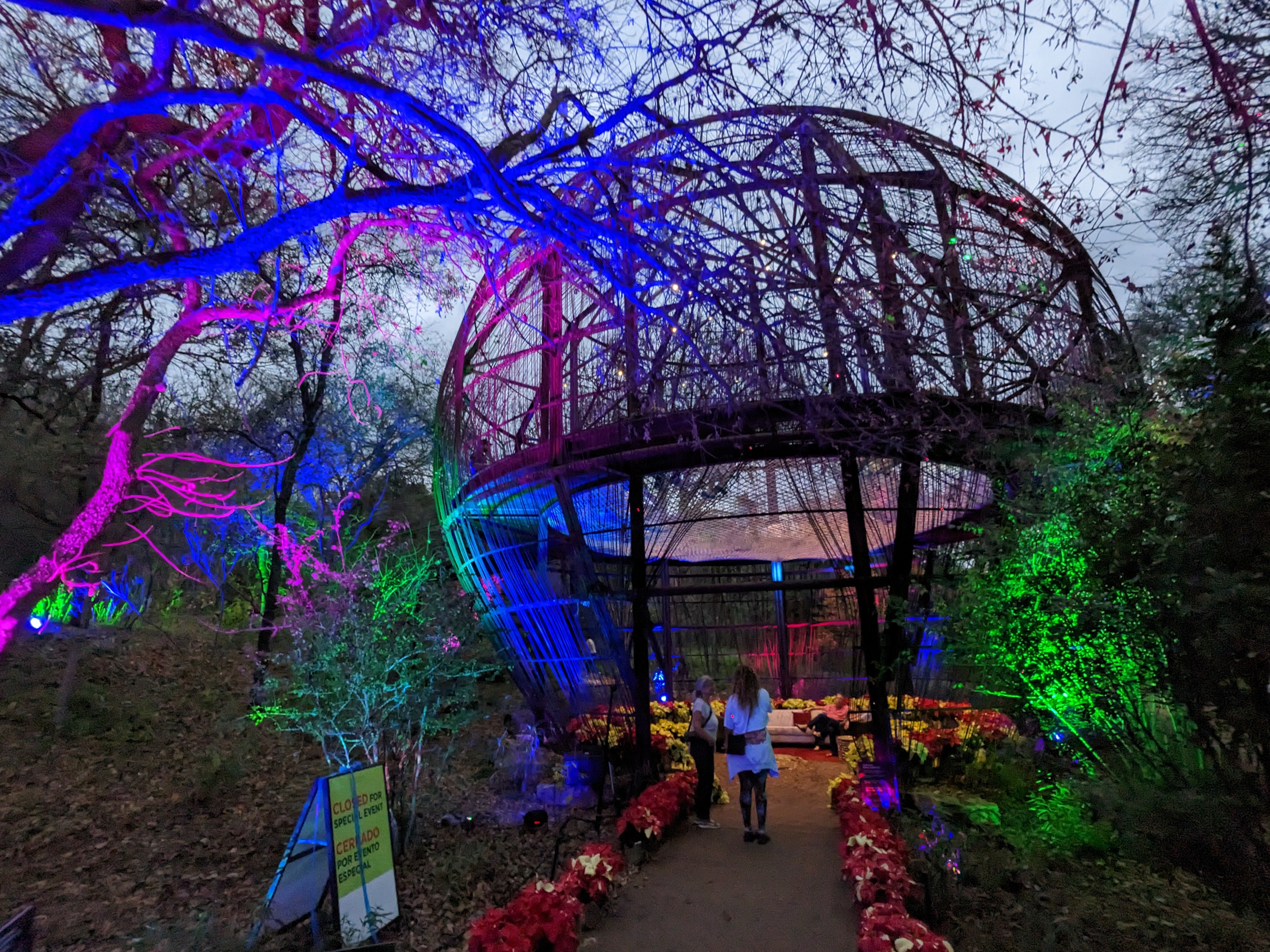
Pease Park Treehouse
0.7 miles
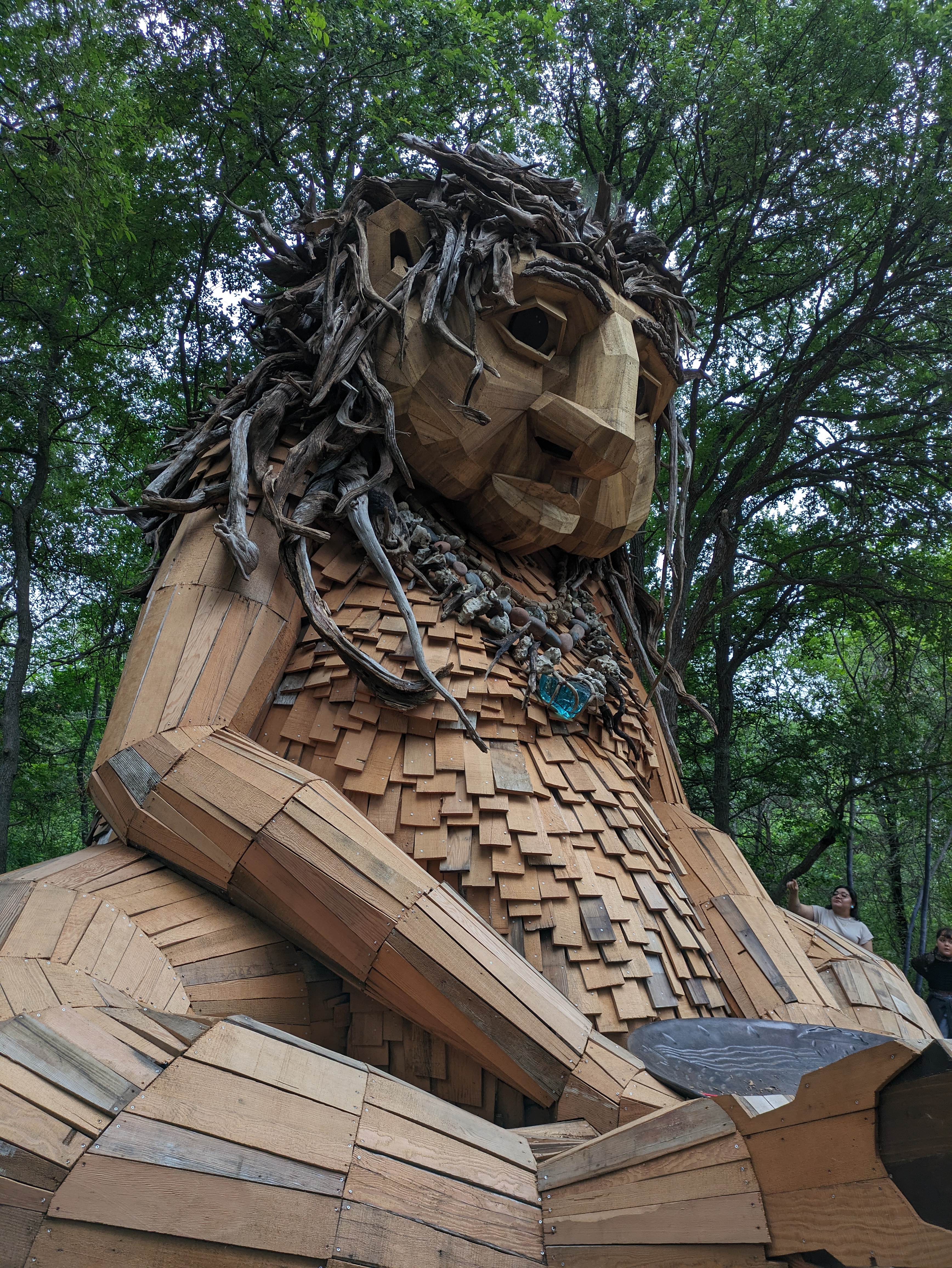
Malin's Fountain Troll
0.7 miles
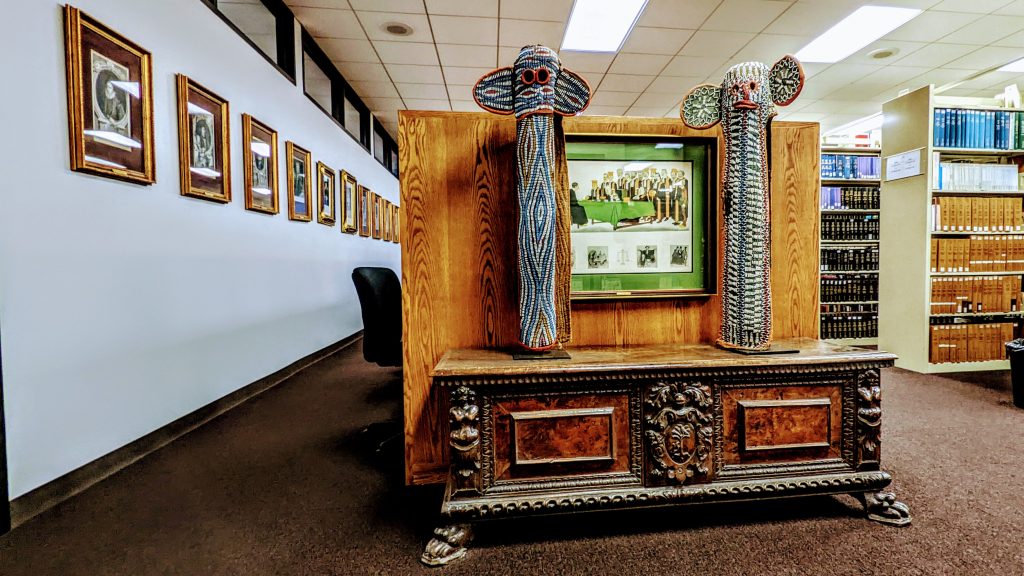
The Hyder Collection
0.7 miles
Make it Superer
Superfantastica is a community effort. Add your intel to help others.
Want to learn more? Find out more about the Superfantastica community →
Contributors
Last updated: February 14, 2026

Practical Info
AustinAddress:
300 West 21st Street, Austin, TX, 78712
Website:
www.hrc.utexas.edu
Phone:
(512) 471-8944
Accessibility:
The Harry Ransom Center is ADA accessible.
Scout the area